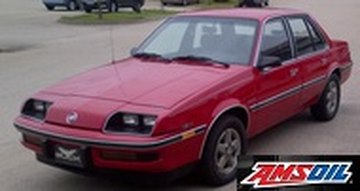
Selecting Maintenance Components for the 1983 Buick SKYHAWK 2.0L
Understanding Oil Filter Compatibility and Fitment
When selecting a replacement oil filter, the most critical factors are not how the part looks, but how it interfaces with the engine's specific mounting points. A correct match ensures that the filter provides an effective seal and maintains proper flow characteristics under operating conditions. Relying on visual similarities or assuming a filter from a similar vehicle will work can lead to significant issues.
There are several technical dimensions that must align perfectly for a successful installation:
- Thread Pitch and Diameter: The threads on the filter must match the engine's mounting stud exactly. Even a slight discrepancy in thread pitch can cause cross-threading, which may damage the engine block or prevent a secure connection.
- Sealing Surface Dimensions: The gasket or O-ring on the filter must sit flush against the mounting surface. If the diameter or thickness of this seal is incorrect, it can lead to oil seepage or high-pressure leaks.
- Mounting Flange and Diameter: The physical footprint of the filter must clear any surrounding engine components while providing enough surface area for a stable connection.
- Application-Specific Internal Design: Filters are designed with specific bypass valve settings and filtration media intended for certain engine architectures. Using a filter not designed for this specific 2.0L application may result in improper oil pressure regulation.
To ensure you are selecting the correct component, match the requirements of your vehicle to the compatible options provided on this page rather than attempting to guess based on the appearance of a part or information from a different model.
Engine Oil Selection and Viscosity Requirements
Choosing the right engine oil involves more than just picking a brand; it requires matching the lubricant to the specific requirements of the 1983 Buick SKYHAWK 2.0L engine. The primary factor in this decision is the viscosity, which dictates how the oil flows under different temperatures and pressures.
Because different engines require different flow characteristics to maintain lubrication, you should match the engine oil to the application-specific viscosity information shown above on this page. Using an incorrect grade can affect how effectively the oil reaches critical internal components during startup or while the engine is at operating temperature.
When evaluating different oil formulations, consider the following:
- Formulation Types: You may choose between conventional, synthetic blend, or full synthetic oils. While these formulations offer different levels of stability and resistance to thermal breakdown, they must still meet the viscosity requirements for your specific engine.
- High-Mileage Considerations: Some high-mileage oil formulations contain additives intended for use in aging engines. Additionally, some high-mileage formulations include seal-conditioning additives that may be beneficial for older engine seals.
- API Certification: Always verify that the oil carries the appropriate API service symbols to ensure it meets modern standards for engine protection and deposit control.
Verifying Application Details
To avoid errors during maintenance, always use the specific identifiers provided in your vehicle's documentation. For this application, the year, make, model, engine size (2.0L), and the [B] engine code are the essential data points that define the correct service requirements.
Relying on these specific details prevents the mistake of applying parts or lubricants intended for different engine displacements or configurations. By using the application-matched oil filter options and the viscosity specifications listed above, you ensure that your maintenance tasks are performed with the correct technical parameters for this exact vehicle.